

Designing Your Brand: Essential Tips For Creating A Custom Sunglasses Logo
In a world where first impressions reign supreme, your sunglasses logo acts as the face of your brand-it's your chance to capture attention and convey your unique style at a glance. Designing a custom logo for your sunglasses line isn't just about aesthetics; it's about storytelling and creating an emotional connection with your audience. From sleek minimalism to bold, vibrant designs, your logo should reflect the essence of your brand and resonate with your target market. As the eyewear industry continues to evolve, standing out is more important than ever. Whether you're launching a new brand or revamping an existing one, this guide will provide you with essential tips to craft a logo that not only embodies your vision but also leaves a lasting impression. Dive in and discover how to transform your ideas into a striking visual identity that speaks volumes about who you are.
Designing Your Brand: Essential Tips for Creating a Custom Sunglasses Logo
In a world where first impressions reign supreme, your sunglasses logo acts as the face of your brand-it's your chance to capture attention and convey your unique style at a glance. Designing a custom logo for your sunglasses line isn't just about aesthetics; it's about storytelling and creating an emotional connection with your audience. From sleek minimalism to bold, vibrant designs, your logo should reflect the essence of your brand and resonate with your target market. As the eyewear industry continues to evolve, standing out is more important than ever. Whether you're launching a new brand or revamping an existing one, this guide will provide you with essential tips to craft a logo that not only embodies your vision but also leaves a lasting impression. Dive in and discover how to transform your ideas into a striking visual identity that speaks volumes about who you are.
The Importance of a Strong Logo in the Sunglasses Industry
In the competitive landscape of the sunglasses industry, a strong logo is paramount. A compelling logo serves as the cornerstone of your brand identity, offering a visual shorthand for your company's values, style, and uniqueness. When consumers see your logo, it should evoke an immediate recognition and association with your brand, fostering brand loyalty and trust. This instant recognition is crucial in a market flooded with numerous options, where consumers often make split-second decisions based on visual appeal.
Moreover, a well-designed logo can significantly enhance your brand's market positioning. It distinguishes you from competitors and provides a memorable visual cue that sticks with your audience. Think about iconic sunglasses logos like Ray-Ban or Oakley; these logos not only represent the products but also epitomize a lifestyle and a standard of quality. A strong logo encapsulates your brand's promise and sets the stage for your marketing efforts, helping you to carve out a niche in a saturated market.
Furthermore, a strong logo can be a versatile tool across various platforms and mediums. From digital marketing campaigns and social media profiles to packaging and in-store displays, your logo will be ubiquitous. A well-crafted logo ensures consistency and coherence in your branding efforts, making all your marketing materials look polished and professional. This uniformity is vital for building a cohesive brand image that resonates with your target audience and stands the test of time.
Key Elements of Effective Logo Design
When it comes to designing an effective logo, several key elements must be considered to ensure it captures the essence of your brand. First and foremost is simplicity. A simple logo is not only easier to recognize and remember but also more versatile in its applications. It should be clear and uncluttered, allowing it to be easily scalable across different sizes and mediums without losing its impact. Think about the Nike swoosh or the McDonald's arches-these logos are uncomplicated yet instantly recognizable.
Another crucial element is relevance. Your logo should be relevant to your brand, industry, and target audience. It should convey the nature of your business and resonate with the values and lifestyle of your customers. For a sunglasses brand, this might mean incorporating elements that suggest vision, style, or protection. The use of specific symbols, shapes, or even abstract forms can help in communicating these aspects effectively.
Color and typography also play a significant role in effective logo design. Colors evoke emotions and can influence perceptions about your brand. Therefore, choosing the right color palette is essential. Similarly, the font you use can communicate a lot about your brand's personality. A modern, sleek font might convey sophistication, while a more playful font could suggest a casual, fun vibe. Balancing these elements to create a harmonious and cohesive design is key to crafting a logo that works.
Understanding Your Target Audience
Knowing your target audience is a fundamental step in designing a logo that resonates. Your logo must appeal to the tastes and preferences of the people you aim to attract. Conducting market research to understand your audience's demographics, lifestyle, and purchasing behaviors will provide valuable insights. This information helps you create a design that speaks directly to them, enhancing the effectiveness of your branding efforts.
For instance, if your target audience consists of young, fashion-forward individuals, your logo should reflect contemporary trends and an edgy aesthetic. On the other hand, if you are targeting professionals looking for high-quality, durable sunglasses, your logo might need to convey reliability, sophistication, and timeless elegance. Understanding these nuances ensures that your logo aligns with your audience's expectations and enhances their connection to your brand.
Additionally, understanding your audience allows you to anticipate their needs and preferences, which can be reflected in your logo design. For example, if sustainability is a key concern for your target market, incorporating eco-friendly elements or colors associated with nature can make your logo more appealing. This alignment between your brand values and audience preferences fosters a deeper emotional connection, enhancing brand loyalty and advocacy.
Choosing the Right Colors and Fonts
Selecting the right colors for your logo is more than just an aesthetic choice; it's a strategic decision that can significantly impact how your brand is perceived. Colors have psychological effects and can evoke specific emotions and associations. For example, blue often conveys trust and professionalism, making it a popular choice for corporate brands. Red can evoke excitement and passion, while green may suggest health and sustainability. Understanding these color associations and choosing a palette that aligns with your brand values and message is crucial.
Equally important is the choice of typography. The font you select can say a lot about your brand's personality. Serif fonts, with their traditional and elegant appearance, might be suitable for a brand that emphasizes heritage and quality. Sans-serif fonts, on the other hand, offer a more modern and clean look, perfect for brands that want to convey simplicity and contemporary style. Script fonts can add a touch of luxury and sophistication, while bold, geometric fonts might suggest innovation and strength.
Combining colors and fonts effectively requires a keen eye for design and an understanding of how these elements work together to create a cohesive and impactful logo. The right combination can make your logo distinctive and memorable, enhancing its ability to convey your brand's identity and values. It's essential to experiment with different combinations and seek feedback to ensure your final design is both visually appealing and aligned with your brand strategy.
Incorporating Brand Values into Your Logo
Your logo is a visual representation of your brand values, and incorporating these values into your design is essential for creating a meaningful and authentic logo. Start by identifying the core values that define your brand-whether it's innovation, sustainability, luxury, or adventure. These values should be reflected in the design elements you choose, from colors and fonts to symbols and shapes.
For example, if sustainability is a key value for your brand, you might incorporate green colors, leaf motifs, or other eco-friendly elements into your logo. If innovation and cutting-edge technology are central to your brand, a sleek, modern design with clean lines and futuristic elements might be more appropriate. The goal is to create a logo that not only looks good but also communicates what your brand stands for.
Incorporating brand values into your logo also helps create a deeper connection with your audience. When consumers see your logo, they should immediately understand what your brand is about and what it stands for. This alignment between your visual identity and your brand values fosters trust and loyalty, as consumers are more likely to connect with and support a brand that shares their values and beliefs.
Exploring Different Logo Styles for Sunglasses
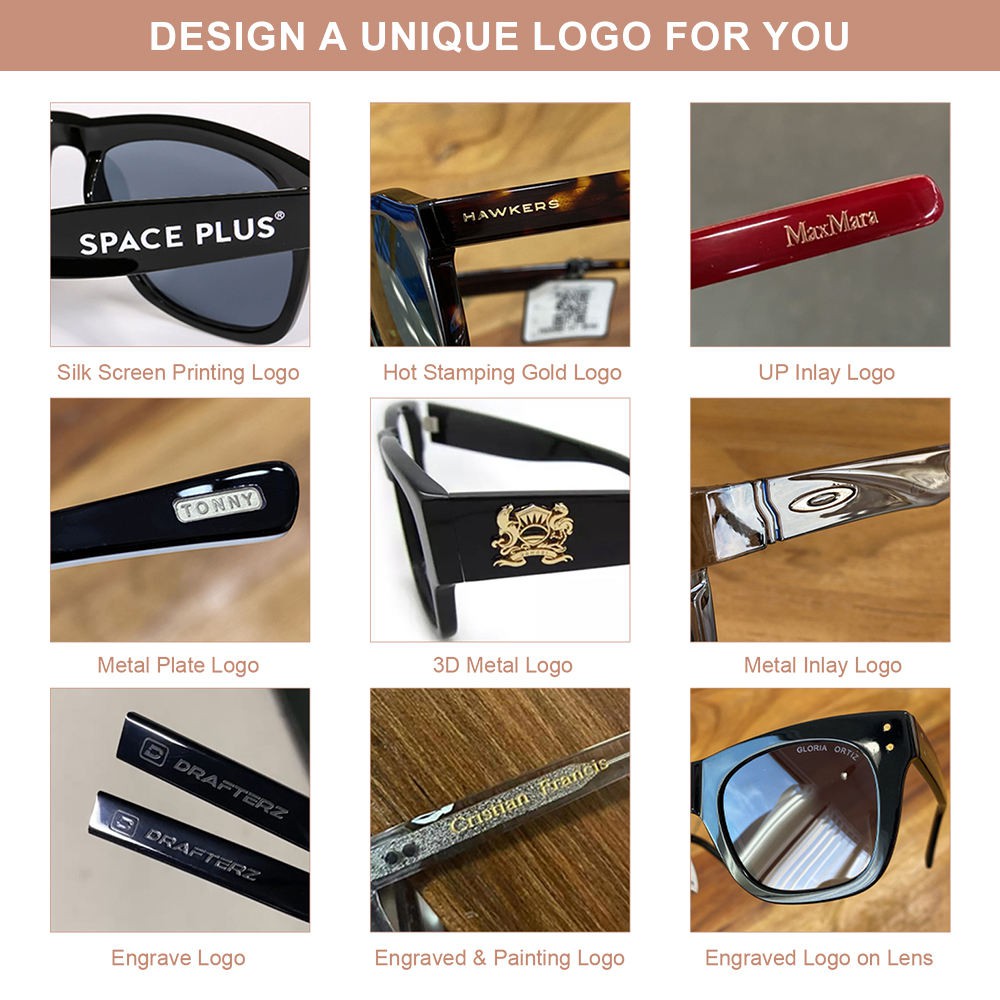
There are numerous logo styles to choose from, each with its own unique characteristics and advantages. The key is to select a style that best represents your brand and appeals to your target audience. Some popular logo styles for sunglasses brands include wordmarks, lettermarks, pictorial marks, abstract marks, and combination marks.
Wordmarks are logos that consist of the brand's name in a distinctive font. This style is effective for brands with a unique or memorable name, as it emphasizes the brand's identity and makes it easily recognizable. Lettermarks, on the other hand, use initials or abbreviations of the brand name, making them a good choice for brands with longer or more complex names.
Pictorial marks use a recognizable image or icon to represent the brand. This style can be highly effective if the image is closely associated with the brand or its values. Abstract marks use geometric shapes or abstract forms to create a unique and distinctive logo. This style offers a lot of creative freedom and can result in a highly memorable logo. Combination marks combine text and images to create a versatile and comprehensive logo that can be used in various contexts.
Tools and Software for Designing Your Logo
Designing a logo requires the right tools and software to bring your vision to life. Fortunately, there are many options available, ranging from free online tools to professional design software. One of the most popular tools for logo design is Adobe Illustrator. This vector-based design software offers a wide range of features and tools for creating detailed and scalable logos. Its precision and versatility make it a favorite among professional designers.
For those looking for a more user-friendly option, Canva is an excellent choice. This online design tool offers a variety of templates and design elements, making it easy to create a professional-looking logo without any design experience. Canva also provides a wide range of customization options, allowing you to tailor your logo to your brand's specific needs.
Other popular tools include CorelDRAW, a powerful vector graphic design software, and Inkscape, an open-source vector graphics editor. Both offer a range of features and tools for creating detailed and scalable logos. Whichever tool you choose, it's important to invest the time and effort into learning how to use it effectively, as a well-designed logo can have a significant impact on your brand's success.
Tips for Testing and Refining Your Logo Design
Once you have a logo design, testing and refining it is crucial to ensure it meets your brand's needs and resonates with your audience. Start by gathering feedback from a diverse group of people, including your target audience, industry experts, and even friends and family. This feedback can provide valuable insights into how your logo is perceived and whether it effectively communicates your brand's identity.
It's also important to test your logo across different mediums and sizes. A logo that looks great on a computer screen might not be as effective on a business card or a billboard. Make sure your logo is scalable and looks good in both color and black and white. This versatility is essential for maintaining consistency across all your branding materials.
Finally, don't be afraid to make changes based on feedback and testing. Refining your logo is a process, and it's important to be open to adjustments and improvements. Even iconic logos have gone through multiple iterations before reaching their final form. The goal is to create a logo that not only looks great but also effectively represents your brand and resonates with your audience.
Real-World Examples of Successful Sunglasses Logos
Looking at real-world examples of successful sunglasses logos can provide inspiration and insights into what makes a great logo. One of the most iconic logos in the sunglasses industry is Ray-Ban. With its distinctive red and white wordmark, the Ray-Ban logo is instantly recognizable and evokes a sense of classic style and quality. The simplicity and elegance of the logo reflect the brand's timeless appeal.
Another notable example is the Oakley logo. Known for its bold, futuristic design, the Oakley logo perfectly captures the brand's innovative and high-performance ethos. The distinctive "O" icon is both unique and memorable, making it a powerful symbol of the brand's cutting-edge products.
The Warby Parker logo is another great example. With its clean, modern typography and subtle sophistication, the logo reflects the brand's commitment to quality and style. The simplicity and elegance of the logo make it versatile and easily recognizable, reinforcing the brand's identity.
Conclusion: Making Your Logo Work for Your Brand
Designing a custom sunglasses logo is a complex and creative process that requires careful consideration of various elements. From understanding your target audience and incorporating your brand values to choosing the right colors and fonts and exploring different logo styles, each step is crucial in creating a logo that effectively represents your brand.
Investing in the right tools and software, and being open to feedback and refinement, will help you create a logo that not only looks great but also resonates with your audience and enhances your brand's identity. Real-world examples of successful sunglasses logos can provide inspiration and insights, helping you to create a logo that stands out in a competitive market.
Ultimately, your logo is more than just a visual symbol; it's a representation of your brand's identity, values, and promise. By following these essential tips and investing the time and effort into creating a well-designed logo, you can create a powerful and lasting impression that sets your brand apart and drives success in the sunglasses industry.


